Van and Schenck: Ragtime's Harmonizing Duo in the Roaring Teens
Before the microphone fully conquered the world, before radio waves filled the air with music, and before the jazz age truly roared, there existed a vaudeville act that captivated audiences with its infectious energy and harmonious blend. That act was Van and Schenck, a duo whose name was synonymous with popular song and comedic timing during the 1910s. Gus Van and Joe Schenck were more than just singers; they were entertainers, weaving together ragtime rhythms, clever lyrics, and engaging stage presence to become one of the most sought-after acts of their time. Their story is not just one of musical success, but also a fascinating glimpse into the world of early 20th-century entertainment, the evolution of recording technology, and the shaping of American popular culture. 1910-1919 As a defining figure of the 1910-1919 Music Era, they shaped the cultural landscape.
The Genesis of a Harmonious Partnership
Gus Van, born August Von Glahn in Brooklyn, New York, and Joseph Schenck, born in Brewster, New York, came from distinctly different backgrounds. Van's early life involved a more theatrical bent, gravitating towards performance, while Schenck initially pursued a career in music. The serendipitous meeting of these two talents sparked a collaboration that would define their careers. While the exact details of their first encounter remain somewhat shrouded in the mists of theatrical history, it's clear that their chemistry was immediate and undeniable. Recognizing the potential of their vocal blend and complementary personalities, they formed Van and Schenck, quickly establishing themselves on the burgeoning vaudeville circuit.
Vaudeville, the entertainment powerhouse of the era, provided the perfect platform for Van and Schenck to hone their craft. They traveled extensively, performing in theaters large and small, from coast to coast. This constant exposure to diverse audiences allowed them to refine their act, incorporating elements of comedy, dance, and of course, their signature close-harmony singing. Their performances weren't just about the music; they were about creating an experience, a connection with the audience that transcended the simple act of singing a song.
A Deep Dive into Musical Style and Evolution
Van and Schenck's musical style was deeply rooted in the ragtime tradition, a uniquely American genre characterized by its syncopated rhythms and lively melodies. However, they weren't simply ragtime musicians. They incorporated elements of popular song, injecting their performances with catchy hooks, memorable lyrics, and a distinctly lighthearted sensibility. Their repertoire included both original compositions and covers of popular tunes, often adapting them to suit their unique vocal style and comedic sensibilities.
Their signature sound was built upon the foundation of close harmony singing. Van, typically taking the higher harmony part, and Schenck, grounding the melody with his baritone voice, created a rich and full sound that was both pleasing to the ear and instantly recognizable. This wasn't just about singing the same notes; it was about blending their voices seamlessly, creating a unified sound that was greater than the sum of its parts. Songs like "That's A Lot of Bologna," a playful tune about exaggerated claims, and "Mandy Make Up Your Mind," a romantic ballad with a hint of playful persuasion, perfectly showcase their ability to combine musicality with humor.
As their career progressed, Van and Schenck subtly adapted their style to reflect the evolving musical landscape. While maintaining their core ragtime influences, they incorporated elements of emerging genres like early jazz, reflecting the growing influence of African American music on popular culture. This willingness to experiment and adapt ensured that their music remained fresh and relevant, keeping them at the forefront of the entertainment scene.
The 'Look': Fashion & Aesthetics Deep Dive
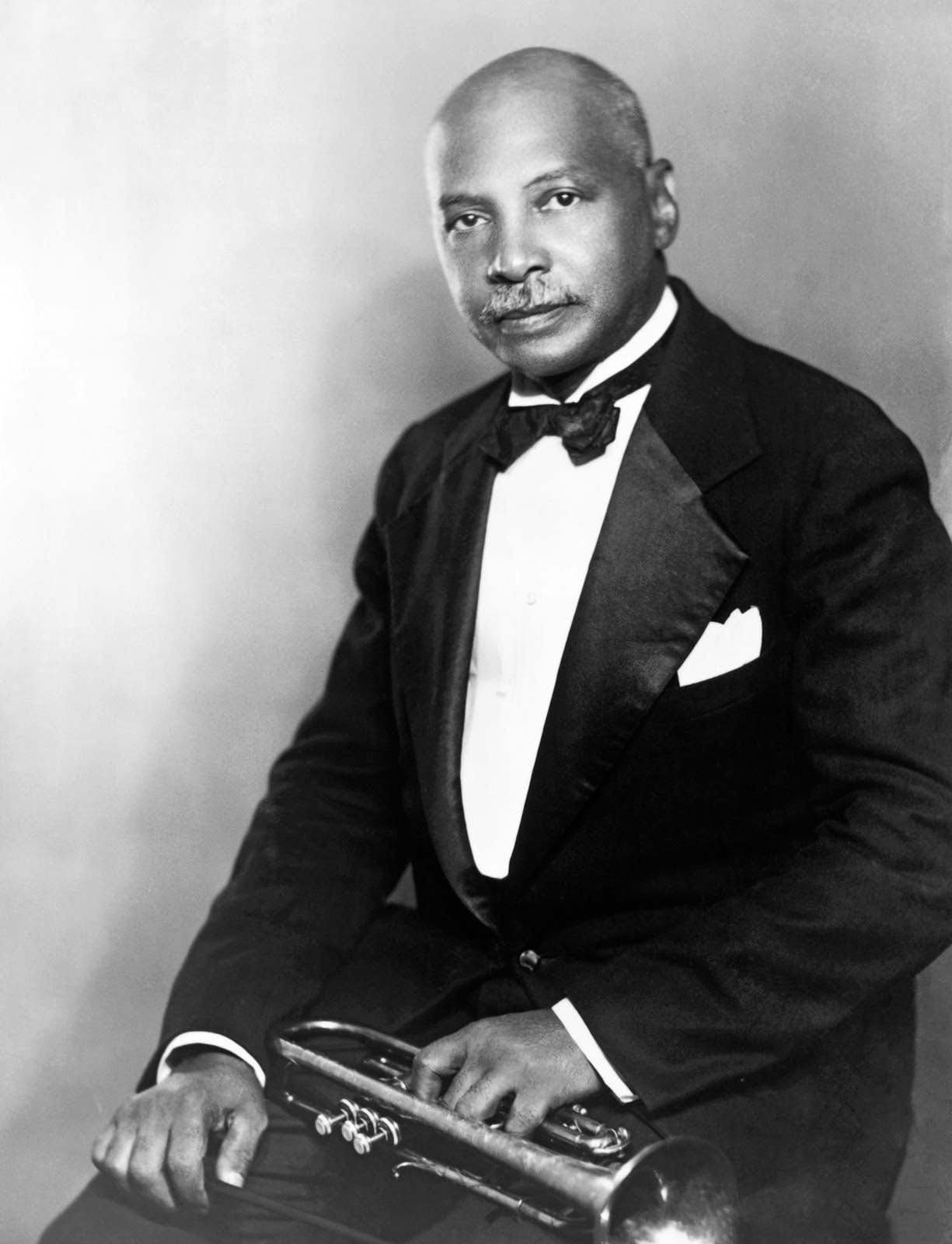
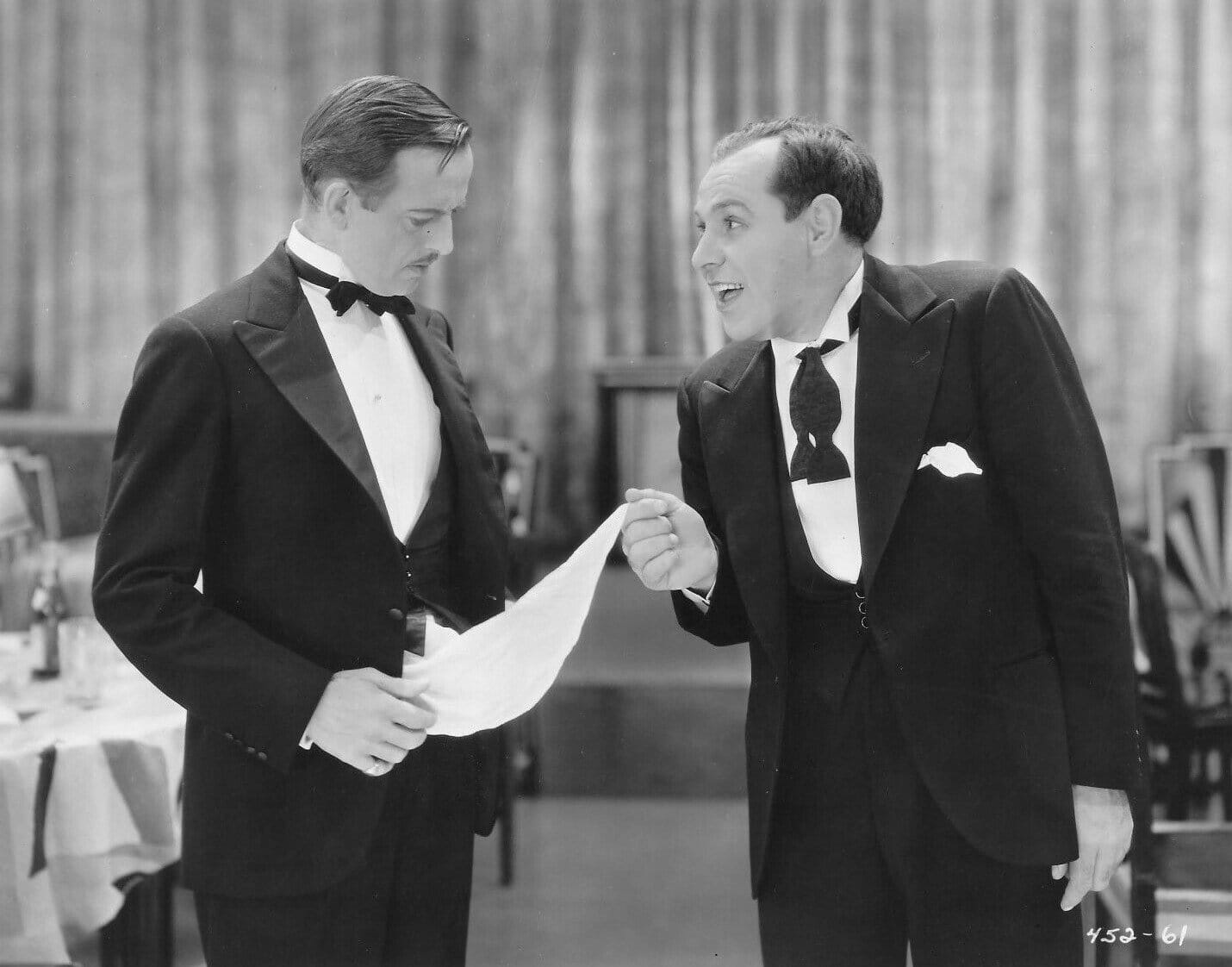
Van and Schenck's image was carefully crafted to project an aura of sophistication and professionalism. Their attire, typically consisting of impeccably tailored suits and ties, epitomized the clean-cut look of the era. This wasn't just about dressing well; it was about conveying a sense of respectability and authority, reinforcing their position as seasoned performers. The formality of their attire reflected the expectations of audiences in the early 20th century, where a certain level of decorum was expected from entertainers.
Beyond their clothing, their stage presence was equally important in shaping their image. They exuded confidence and charisma, engaging with the audience through playful banter and synchronized movements. Their choreography, while understated, was carefully planned to enhance their performance, adding a visual element to their musical presentation. Gestures, facial expressions, and subtle movements all contributed to their overall stage presence, creating a captivating and memorable experience for their audiences. They weren't trying to be flashy or provocative; they were aiming for a sense of polished charm and understated elegance.
Engineering & Sound Production Analysis in the Acoustic Era
Recording technology in the 1910s was a far cry from the sophisticated digital audio workstations of today. Van and Schenck recorded during the acoustic era, a time when sound was captured mechanically, using large horns to funnel sound waves onto a diaphragm that vibrated a cutting stylus. This stylus then etched the sound onto a wax or shellac disc. This process presented significant challenges, requiring careful microphone placement and arrangement to ensure a balanced and clear recording.
Despite the limitations of the technology, Van and Schenck's recordings demonstrate remarkable vocal clarity and balance. Their success in capturing their signature sound on record highlights the importance of their understanding of the recording process. Careful microphone placement was crucial to capture both their voices equally, ensuring that neither voice overpowered the other. Furthermore, their arrangements were likely tailored to suit the limitations of the recording technology, emphasizing clarity and simplicity over complex instrumental arrangements. The technology favored higher-pitched vocals, so Van's higher harmony was likely a strategic choice.
It's also important to consider the role of the recording engineers of the time. These unsung heroes of early recording technology played a vital role in capturing the performances of artists like Van and Schenck. Their expertise in microphone placement, arrangement, and mastering ensured that the recordings were of the highest possible quality, allowing audiences to experience the duo's music even outside of the live performance setting.
Cultural Impact & Legacy
Van and Schenck's impact on American popular culture cannot be overstated. They were at the forefront of the vaudeville scene, entertaining millions of people across the country. Their music was widely distributed through recordings, sheet music, and radio broadcasts (as radio technology emerged), making them household names. They helped to shape the sound of popular music in the early 20th century, influencing countless other performers and songwriters.
Beyond their musical contributions, Van and Schenck also played a significant role in shaping the cultural landscape of the era. Their performances reflected the values and aspirations of a rapidly changing society. Their music celebrated the joys of life, offering a sense of escapism and optimism during a time of great social and political upheaval. They were ambassadors of American popular culture, spreading joy and laughter wherever they went.
While their fame may have faded over time, their legacy lives on in the recordings and sheet music that have survived to this day. Their music continues to be enjoyed by enthusiasts of early popular music, offering a glimpse into a bygone era. Furthermore, their story serves as a reminder of the importance of vaudeville in shaping American entertainment and the enduring power of music to connect people across generations.
Critical Reception (Then vs Now)
During their heyday, Van and Schenck were overwhelmingly popular with audiences. Their performances were consistently met with enthusiastic applause and critical acclaim. Reviewers praised their vocal harmonies, their comedic timing, and their engaging stage presence. They were seen as a breath of fresh air in a world often dominated by more serious forms of entertainment.
However, not all critics were entirely convinced. Some dismissed their music as being overly simplistic and lacking in artistic depth. They argued that their songs were too commercial and that they prioritized entertainment over artistic expression. These criticisms, while valid to some extent, failed to recognize the duo's ability to connect with a broad audience and their role in shaping popular taste.
Today, Van and Schenck are viewed with a more nuanced perspective. While their music may not be considered groundbreaking in terms of its artistic innovation, it is recognized for its historical significance and its enduring appeal. Their recordings are valued as important artifacts of early 20th-century popular culture, offering valuable insights into the musical tastes and entertainment preferences of the era. Furthermore, their story serves as a reminder of the importance of vaudeville in shaping American entertainment and the enduring power of music to bring joy to people's lives.
Conclusion
Van and Schenck were more than just a singing duo; they were a cultural phenomenon. Their infectious energy, harmonious blend, and engaging stage presence captivated audiences across the nation, making them one of the most popular acts of their time. Their story is a fascinating glimpse into the world of early 20th-century entertainment, the evolution of recording technology, and the shaping of American popular culture. While their fame may have faded with time, their legacy lives on in their recordings, their sheet music, and their enduring influence on the world of popular music. They remain a testament to the power of entertainment to bring joy, laughter, and a sense of connection to people from all walks of life.