A Star is Born: The Rise of Vesta Victoria
The turn of the 20th century in Britain witnessed the vibrant flourishing of the music hall, a form of entertainment that captured the spirit of the working class and provided a platform for performers who could connect with audiences on a deeply personal level. Among the brightest stars to emerge from this era was Vesta Victoria, a captivating singer and actress who reigned supreme as one of the leading figures in British entertainment. Born Ada Reeves in Leeds in 1873, Vesta Victoria didn't just perform; she embodied the hopes, anxieties, and humor of the everyday person. Her career spanned decades, starting in the late 19th century and extending well into the 20th, but it was during the first decade of the 1900s that she truly solidified her place as a cultural icon. She wasn't just a singer; she was a storyteller, a comedian, and a social commentator, all rolled into one. 1900-1909 Their contributions were pivotal to the evolution of the 1900-1909 Music Era.
From humble beginnings, performing in small venues and gaining experience through sheer dedication, Victoria honed her craft, developing a distinctive style that resonated with audiences hungry for relatable entertainment. The music hall offered a stark contrast to the more formal theatrical productions of the time, providing a space for unpretentious, often boisterous, performances that reflected the realities of working-class life. Vesta Victoria understood this dynamic implicitly, and she tailored her act to meet the desires of her audience. Her rise to prominence wasn't just about talent; it was about understanding the zeitgeist and reflecting it back to the people who packed the music halls night after night.
In-depth Analysis of Musical Style/Evolution
Vesta Victoria's musical style was rooted in the tradition of comic songs and character pieces, but she brought to it a unique sensibility that set her apart from her contemporaries. Her songs were often vignettes of everyday life, focusing on relatable scenarios like courtship, marriage, domestic disputes, and the struggles of making ends meet. "Waiting at the Church," perhaps her most famous song, is a perfect example of this, portraying a bride left at the altar with a blend of humor and pathos. The catchy melody and simple lyrics made it an instant hit, and it remains a classic example of music hall songcraft.
Her songs weren't just funny; they often contained a subtle layer of social commentary. She poked fun at social conventions, gender roles, and the changing dynamics of British society. Songs like "Now I Have to Call Him Father," about a woman who unexpectedly becomes a stepmother, touched on complex family dynamics with a lighthearted touch. While her songs were primarily intended to entertain, they also offered a glimpse into the lives of ordinary people and the challenges they faced. The musical arrangements were typically simple, often featuring piano accompaniment and occasionally other instruments like banjos or brass, reflecting the limitations of the music hall's resources but also contributing to the intimate and accessible feel of her performances.
Victoria’s repertoire evolved throughout her career. While she started with fairly straightforward comic numbers, she increasingly incorporated more complex character studies into her performances. She wasn’t just singing songs; she was acting them out, bringing the characters to life through her expressive voice and stage presence. This evolution reflected a broader trend in music hall towards more sophisticated storytelling and character development. Her ability to adapt and innovate helped her maintain her popularity over many years, ensuring that she remained relevant to audiences even as tastes changed.
The 'Look': Fashion & Aesthetics Deep Dive
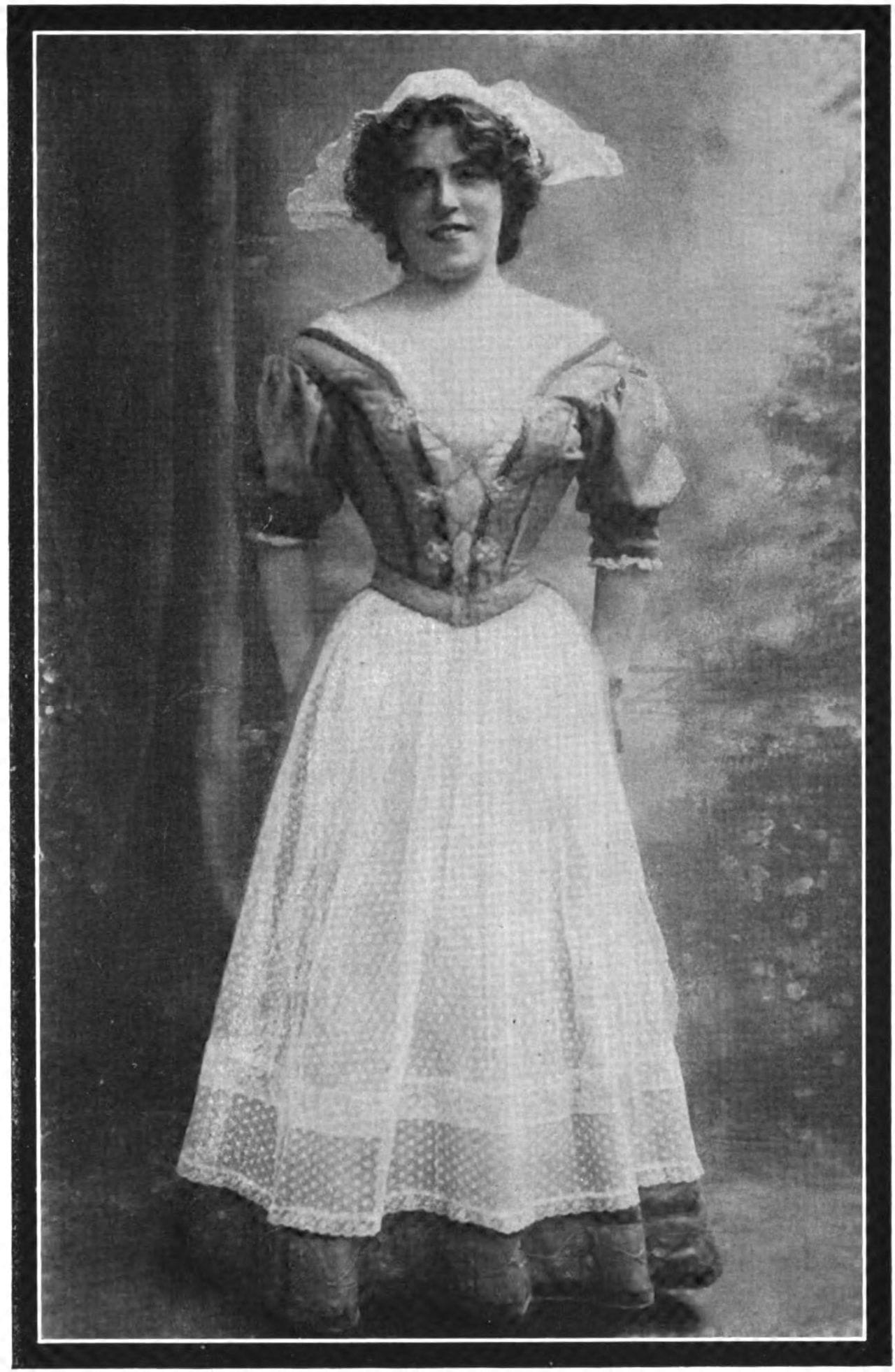
Vesta Victoria's stage presence was as carefully crafted as her songs. Her fashion choices were not merely decorative; they were integral to the characters she portrayed. She understood the power of visual storytelling and used her clothing to reinforce the messages of her songs. While she wore elegant gowns in some performances, she was best known for her costumes that reflected the lives of the working-class women she often depicted.
These costumes typically featured simple but stylish designs, often incorporating elements that would have been familiar to her audience. Large, elaborate hats were a signature feature, adding a touch of glamour to otherwise modest outfits. The hats weren't just fashion statements; they were also visual cues, helping the audience to immediately understand the character she was playing. A slightly tilted hat could convey confidence, while a drooping one might suggest sadness or vulnerability. Her dresses were often made of practical fabrics like cotton or wool, reflecting the economic realities of the characters she portrayed. She avoided overly ostentatious displays of wealth, preferring clothing that was relatable and accessible to her audience.
Beyond her clothing, Victoria's overall aesthetic was one of approachable charm. She cultivated an image of the "everywoman," someone who was both entertaining and easy to identify with. Her makeup was relatively simple, emphasizing her natural features rather than masking them with heavy cosmetics. Her hairstyles were similarly understated, often featuring simple updos or waves. She presented herself as a woman of the people, someone who understood their struggles and could make them laugh at the same time. This careful attention to detail in her fashion and aesthetics contributed significantly to her success, helping her to forge a strong connection with her audience and solidify her image as a beloved performer.
Engineering & Sound Production Analysis
Analyzing Vesta Victoria's recordings offers a fascinating glimpse into the challenges and limitations of early sound recording technology. The acoustic recording process, prevalent during her peak years, required performers to project their voices directly into a recording horn. This placed significant demands on vocal technique, prioritizing clarity and projection over nuanced studio effects. Victoria's recordings demonstrate her mastery of this technique. Her diction is remarkably clear, and her voice is powerful enough to overcome the inherent limitations of the recording equipment.
The limited frequency range of early recording technology meant that producers focused on capturing the essential elements of her performance. The piano accompaniment, typically simple and straightforward, was carefully balanced to avoid overwhelming her vocals. The recordings often lack the richness and depth of modern recordings, but they possess a certain charm and authenticity that is difficult to replicate. Listening to these recordings, one can almost imagine being in the music hall, surrounded by the energy of the audience and the captivating presence of Vesta Victoria herself.
It is also important to note the skill involved in the physical production of these early recordings. The master recordings were often made on fragile wax cylinders or discs, requiring careful handling and storage. The process of duplicating these recordings for commercial sale was equally challenging, and the resulting copies often suffered from significant loss of fidelity. Despite these limitations, the surviving recordings of Vesta Victoria provide invaluable insights into her vocal technique and stage presence, allowing us to appreciate her artistry even across the vast distance of time and technological advancement.
Cultural Impact & Legacy
Vesta Victoria's cultural impact extended far beyond the music hall. She became a household name, her songs and catchphrases entering the popular vernacular. Her characters, often based on recognizable types from working-class society, resonated with audiences who saw themselves reflected in her performances. She helped to shape the cultural landscape of early 20th century Britain, providing a voice for the ordinary person and challenging social conventions through humor and satire.
Her success also paved the way for other female performers in the music hall and beyond. She demonstrated that women could be successful comedians and entertainers, breaking down barriers and challenging traditional gender roles. Her influence can be seen in the work of later generations of female performers, who drew inspiration from her boldness and originality. Victoria's legacy continues to be felt today, as her songs are still performed and her recordings are treasured by collectors and enthusiasts.
Furthermore, Vesta Victoria's songs offer invaluable insights into the social and cultural history of the era. They provide a window into the lives of ordinary people, revealing their hopes, fears, and aspirations. Her performances captured the spirit of a rapidly changing society, reflecting the anxieties and opportunities of a nation grappling with industrialization, urbanization, and social reform. By preserving and studying her work, we can gain a deeper understanding of the past and appreciate the enduring power of music to reflect and shape culture.
Critical Reception (Then vs Now)
During her lifetime, Vesta Victoria was generally met with enthusiastic acclaim. Audiences adored her, and critics praised her comedic timing, vocal delivery, and ability to connect with the everyday person. She was recognized as a genuine talent, a performer who could command the stage and captivate audiences with her charm and wit. However, some critics also voiced concerns about the potential for her portrayals of working-class life to be interpreted as caricatures, arguing that her humor sometimes relied on stereotypes and oversimplifications. These criticisms were relatively rare, however, and did little to diminish her overall popularity.
Today, Vesta Victoria's work is viewed with a more nuanced perspective. While her talent and artistry are still widely recognized, scholars and critics are also more aware of the potential for her performances to perpetuate stereotypes and reinforce social inequalities. Her work is analyzed within the context of its time, taking into account the prevailing social attitudes and cultural norms. While some of her songs may be seen as problematic by modern standards, they also offer valuable insights into the complexities of early 20th century British society. Her work is now often studied from a feminist perspective, examining the ways in which she challenged and reinforced traditional gender roles.
Despite these evolving perspectives, Vesta Victoria remains a significant figure in the history of British entertainment. Her contributions to the music hall are undeniable, and her legacy continues to inspire performers and scholars alike. By engaging critically with her work, we can gain a deeper understanding of her artistry and its enduring impact on popular culture.
Conclusion
Vesta Victoria was more than just a popular entertainer; she was a cultural phenomenon. Her ability to connect with audiences, her innovative musical style, and her carefully crafted stage persona made her one of the most beloved performers of her era. She reigned supreme in the music halls of Britain during the first decade of the 20th century, and her influence extended far beyond the stage. Her songs and characters captured the spirit of a rapidly changing society, and her legacy continues to be felt today. By studying her work, we can gain a deeper understanding of the past and appreciate the enduring power of entertainment to reflect and shape culture. Vesta Victoria's story is a testament to the enduring appeal of music hall and the power of a talented performer to connect with audiences on a deeply personal level. She remains a shining example of the golden age of British entertainment.