A Transatlantic Talent: From Dublin to Broadway Legend
Victor Herbert, born in Dublin, Ireland, on February 1, 1859, and who died in New York City on May 26, 1924, was more than just a composer; he was a cultural phenomenon. A cellist, conductor, and composer of unparalleled melodic gift, Herbert’s name is synonymous with American operetta. He bridged the gap between European traditions and burgeoning American musical identity, crafting works that captivated audiences with their charm, elegance, and unabashed romanticism. His journey from the concert halls of Europe to the bright lights of Broadway is a testament to his remarkable talent and his ability to connect with audiences on a deeply emotional level. 1900-1909 Their contributions were pivotal to the evolution of the 1900-1909 Music Era.
Herbert's early life was steeped in music. His grandfather was Samuel Lover, a noted Irish novelist, songwriter, and composer, fostering an environment of artistic expression. After his father's early death, Herbert was raised by his mother and grandfather, receiving a comprehensive education in Germany, including rigorous musical training at the Stuttgart Conservatory. This European foundation provided him with a deep understanding of classical forms and techniques, which he later masterfully adapted to the American stage. He excelled as a cellist, eventually securing a position with the Court Orchestra in Stuttgart. This period was pivotal in shaping his musical sensibilities and honing his instrumental skills.
His career trajectory dramatically shifted when he married the opera singer Therese Förster. Her engagement at the Metropolitan Opera in New York City in 1886 brought Herbert to America, marking the beginning of his enduring legacy. While Therese pursued her operatic career, Herbert quickly established himself as a prominent cellist, performing with the Met orchestra and other leading ensembles. However, his ambitions extended beyond performance; he yearned to compose and conduct. He took on conducting roles with various orchestras and bands, including the 22nd Regiment Band of the National Guard, where he began to experiment with his own compositions and arrangements, subtly incorporating popular American idioms into his European-trained style.
The 1890s saw Herbert gradually transition from a primarily instrumental career to one focused on composing and conducting musical theater. His early operettas, though initially met with mixed success, demonstrated his growing understanding of the American theatrical landscape. It was the turn of the century, however, that truly solidified his place as the "Waltz King" and a leading figure in American musical theater.
A Symphony of Styles: Musical Evolution and Signature Sound
Victor Herbert's musical style is characterized by its seamless blend of European sophistication and American vitality. He drew inspiration from Viennese operetta masters like Johann Strauss II, but he infused his compositions with uniquely American rhythms, harmonies, and lyrical themes. This fusion resulted in a sound that was both familiar and fresh, appealing to a wide audience. His music is richly melodic, often featuring soaring vocal lines and memorable instrumental hooks. The waltz, in particular, became his signature, imbuing his operettas with a sense of romance, elegance, and swirling exuberance.
Herbert's orchestrations were lush and detailed, showcasing his deep understanding of instrumental color and texture. He used the orchestra not merely as accompaniment, but as an integral part of the storytelling, creating moods and underscoring dramatic moments. His arrangements often featured prominent roles for strings, woodwinds, and brass, creating a rich and vibrant soundscape. Consider the instrumentation in "Babes in Toyland;" the strings evoke a sense of wonder, while the brass punctuates the playful, toy-like elements. He wasn't afraid to experiment with different combinations of instruments, creating a palette of sounds that was both distinctive and captivating.
A hallmark of Herbert's style is his gift for melody. His songs are instantly memorable, often lingering in the listener's mind long after the performance. Whether it's the soaring "Italian Street Song" from "Naughty Marietta" or the charming "Toyland" from "Babes in Toyland," his melodies are characterized by their lyrical beauty, emotional depth, and singable quality. These melodies were not only popular with audiences, but also influenced subsequent generations of songwriters and composers. He skillfully combined catchy tunes with sophisticated harmonies, creating a musical experience that was both entertaining and artistically satisfying.
Over time, Herbert’s musical style evolved, reflecting the changing tastes and trends of the American public. He incorporated elements of ragtime and other popular genres into his later works, demonstrating his willingness to adapt and experiment. However, he always remained true to his core values: melody, harmony, and emotional expression. Even as he embraced new musical influences, he never lost sight of his artistic vision. He understood the importance of connecting with his audience, and he crafted his music to appeal to their sensibilities while also pushing the boundaries of musical theater.
The 'Look': Fashion & Aesthetics Deep Dive
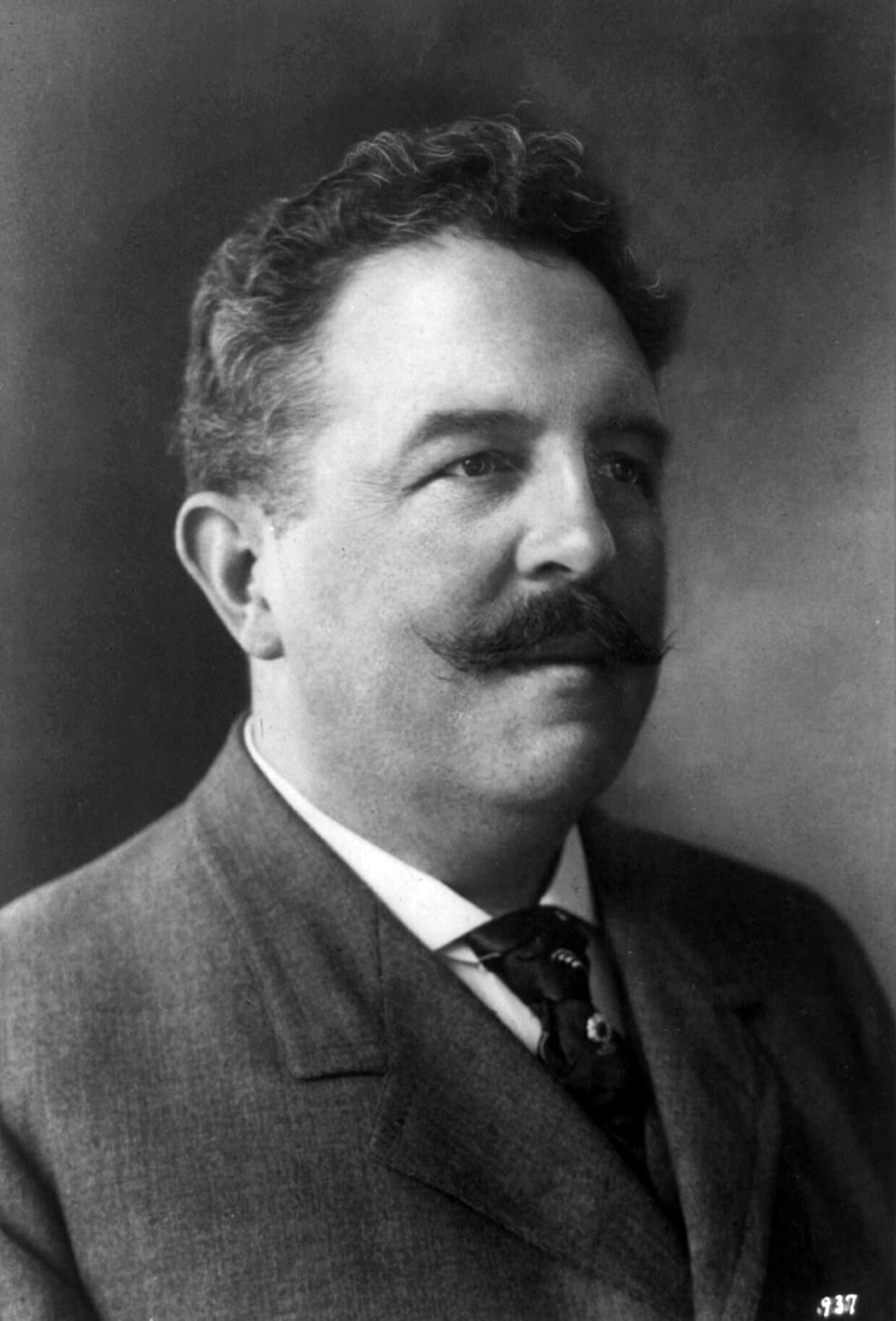
Victor Herbert's personal style reflected the elegance and refinement of the Gilded Age. While not given to ostentatious displays of wealth, he presented himself as a man of culture and sophistication. His attire typically consisted of well-tailored suits in dark colors, often paired with a crisp white shirt and a conservative tie. He understood the importance of projecting an image of success and authority, both on and off the stage. His clothing was a reflection of his professional status and his artistic sensibilities.
His signature feature was undoubtedly his meticulously groomed mustache. This facial hair wasn't just a fashion statement; it was an integral part of his persona. It conveyed a sense of gravitas and sophistication, adding to his overall air of authority. The mustache was a common feature among prominent men of the era, but Herbert's was particularly well-maintained and distinctive. It contributed to his image as a man of taste and refinement.
Beyond his personal appearance, Herbert's aesthetic sensibilities extended to the visual design of his operettas. He understood the importance of creating a visually stunning spectacle for his audiences. His productions were known for their elaborate costumes, opulent sets, and dazzling special effects. He collaborated closely with designers and stage managers to ensure that every aspect of the production contributed to the overall aesthetic experience. The visual elements of his operettas were just as important as the music in creating a sense of wonder and enchantment.
The world of fashion deeply influenced Herbert. The Gilded Age was a time of rapid industrialization and economic growth, which led to a newfound emphasis on luxury and style. Herbert's operettas often reflected this cultural shift, featuring characters dressed in the latest fashions and set in lavish surroundings. He understood that his audience craved escapism and entertainment, and he delivered both in abundance. The visual and auditory experiences of his operettas transported audiences to a world of beauty, romance, and adventure.
Engineering & Sound Production Analysis
Although Victor Herbert's era predated modern recording technology, his understanding of sound dynamics and stage acoustics was remarkable. He meticulously crafted his orchestrations to fill the theater, ensuring that every instrument and vocal part could be heard clearly and distinctly. He understood the importance of balancing the different sections of the orchestra, creating a rich and cohesive sound. His scores were not just collections of notes; they were carefully engineered soundscapes designed to maximize the emotional impact of the music.
Herbert was keenly aware of the limitations of the performance spaces he worked in, and he adjusted his orchestrations accordingly. He understood how sound reverberates in different types of theaters, and he used this knowledge to create a sonic experience that was tailored to the specific environment. He worked closely with the sound engineers of his time to optimize the acoustics of the theaters where his operettas were performed. His attention to detail extended to every aspect of the sound production, from the placement of the microphones to the amplification of the vocalists.
Consider the practicalities of acoustic balance in the early 20th century. Without electronic amplification, Herbert had to rely on his knowledge of instrumental timbres and dynamics to ensure that softer instruments, like flutes and clarinets, could be heard over the louder brass and percussion sections. He carefully layered the different instrumental parts, creating a sonic tapestry that was both rich and transparent. He also understood the importance of using silence effectively, allowing the music to breathe and creating moments of dramatic tension.
Herbert’s foresight also extended to considering the future of music consumption. He was an early advocate for copyright protection, recognizing the importance of compensating composers for their creative work. His involvement in the formation of the American Society of Composers, Authors and Publishers (ASCAP) was instrumental in establishing a system that protects the rights of musicians and ensures that they are fairly compensated for their intellectual property. He understood that the future of music depended on the ability of artists to earn a living from their work, and he dedicated his life to fighting for their rights.
Cultural Impact & Legacy
Victor Herbert's impact on American musical theater is undeniable. He helped to define the genre of operetta, creating works that were both popular and artistically significant. His music resonated with audiences from all walks of life, transcending social and cultural barriers. He brought a sense of sophistication and elegance to the American stage, while also celebrating the unique spirit and energy of the nation. His influence can be seen in the works of countless composers and lyricists who followed in his footsteps.
His operettas, such as "Babes in Toyland," "Naughty Marietta," and "The Red Mill," became Broadway staples, captivating audiences for decades. These works not only entertained, but also offered a glimpse into the hopes, dreams, and aspirations of the American people. They explored themes of love, loss, and redemption, resonating with audiences on a deeply emotional level. His operettas were more than just entertainment; they were cultural touchstones that helped to shape the American identity.
Beyond his specific works, Herbert's legacy extends to his contributions to the development of American musical style. He helped to create a uniquely American sound that blended European traditions with indigenous musical forms. He incorporated elements of ragtime, jazz, and other popular genres into his compositions, creating a vibrant and eclectic musical landscape. He paved the way for future generations of American composers to explore new and innovative musical forms.
His advocacy for composers' rights through ASCAP further cemented his legacy. He fought tirelessly to ensure that composers were fairly compensated for their work, laying the foundation for a more equitable and sustainable music industry. His efforts helped to protect the rights of countless musicians and artists, ensuring that they could continue to create and share their art with the world. He was not only a talented composer, but also a passionate advocate for the rights of his fellow artists.
Critical Reception (Then vs Now)
During his lifetime, Victor Herbert was largely celebrated for his charm, accessibility, and melodic gift. Audiences flocked to his operettas, drawn in by their captivating stories, memorable tunes, and lavish productions. Critics praised his ability to blend European sophistication with American vitality, creating a uniquely appealing musical experience. His popularity was undeniable, and he was widely regarded as one of the leading figures in American musical theater.
However, some critics also accused Herbert of being overly sentimental and formulaic. They argued that his music lacked the depth and complexity of the great European composers. Some felt that his reliance on waltzes and other traditional forms was limiting his artistic potential. These criticisms, while not widespread, did raise important questions about the nature of popular music and its relationship to high art.
In retrospect, Herbert's work is viewed with a more nuanced perspective. While acknowledging the validity of some of the earlier criticisms, scholars and critics now recognize his profound influence on American musical theater. His ability to connect with audiences on a deeply emotional level is seen as a testament to his skill as a composer and his understanding of the human condition. His contributions to the development of American musical style are also widely recognized. He successfully navigated the tension between artistic integrity and commercial success, creating works that were both popular and artistically significant.
Modern productions and revivals of Herbert’s operettas continue to demonstrate their enduring appeal. Contemporary audiences are drawn to the timeless themes, memorable melodies, and sheer theatricality of his works. His music continues to inspire and delight, reminding us of the power of art to transcend time and culture. Although musical tastes have changed dramatically since his death, his music still resonates with audiences today, proving that true artistry is timeless.
Conclusion
Victor Herbert remains a towering figure in the history of American musical theater. His contributions as a composer, conductor, and advocate for composers' rights have left an indelible mark on the cultural landscape. His music, characterized by its melodic beauty, orchestral richness, and emotional depth, continues to captivate audiences and inspire artists. He successfully blended European traditions with American sensibilities, creating a uniquely appealing and enduring body of work. As the "Waltz King" of American operetta, Victor Herbert's legacy is secure, ensuring that his music will continue to be enjoyed and celebrated for generations to come.