Comprehensive Introduction
William Christopher Handy, more famously known as W.C. Handy, occupies a monumental position in the history of American music. Born in Florence, Alabama, in 1873, Handy's life and career unfolded against a backdrop of immense social and cultural change in the United States. Emerging from a deeply religious background where secular music was often frowned upon, Handy's initial exposure to music was primarily through hymns and spirituals. This foundation, however, was soon challenged by the vibrant and raw sounds he encountered within the African American communities of the South. His journey from a young man with a clandestine passion for music to the self-proclaimed "Father of the Blues" is a testament to his talent, perseverance, and profound understanding of the cultural landscape. The decade of the 1910s proved pivotal, marking his rise to prominence and solidifying his crucial role in not only popularizing the blues but also in shaping its very definition. He was a bandleader, composer, publisher, and astute businessman, all of which were vital to bringing the blues from the marginalized juke joints of the Mississippi Delta to the mainstream American consciousness. 1910-1919 Historically, they are inseparable from the identity of the 1910-1919 Music Era.
Handy's contribution extends beyond simply composing famous blues songs. He was a vital bridge, translating the oral traditions of rural Black communities into a written and arranged format that could be disseminated and performed more widely. This act of transcription and formalization, while not without its critics, was instrumental in preserving and elevating the blues to a recognized and respected art form. He provided a framework, a musical vocabulary, that allowed future generations of musicians to understand, interpret, and build upon the foundations he laid. His vision for the blues was not merely as entertainment but as a powerful expression of the human condition, a voice for the marginalized, and a cultural force that could transcend racial and social barriers.
In-depth Analysis of Musical Style/Evolution
Handy's musical style, while rooted in the blues, was also shaped by his formal musical training and diverse influences. He wasn't simply replicating the raw, improvisational style of the Delta blues; instead, he synthesized it with elements of ragtime, marching band music, and popular song forms of the era. This fusion resulted in a unique and accessible sound that appealed to a wider audience. His compositions, such as "Memphis Blues" (1912) and "St. Louis Blues" (1914), are characterized by their distinctive blues structures, incorporating the characteristic 12-bar blues progression, but often with variations and embellishments that reflected his own artistic sensibilities.
"Memphis Blues," initially titled "Mr. Crump," was a campaign song written for a mayoral candidate. Its catchy melody and bluesy feel made it an instant hit, and it is considered one of the first commercially successful blues compositions. "St. Louis Blues," perhaps his most famous work, is a more complex and sophisticated piece, incorporating elements of tango and habanera rhythms, giving it a unique and cosmopolitan feel. The lyrics tell a story of heartbreak and longing, themes that resonate deeply within the blues tradition. These songs, and others like "Beale Street Blues," established a template for blues compositions that would be followed by countless musicians.
Handy's arrangements were also crucial to his success. He meticulously notated the music, adding harmonies, instrumental parts, and dynamic markings that brought a new level of sophistication to the blues. He understood that to reach a wider audience, the music needed to be presented in a polished and professional manner. His arrangements allowed the blues to be performed by orchestras, dance bands, and solo musicians, extending its reach far beyond its original context. While some argued that this formalization sanitized the raw emotion of the blues, it undeniably played a crucial role in its popularization and preservation.
The 'Look': Fashion & Aesthetics Deep Dive
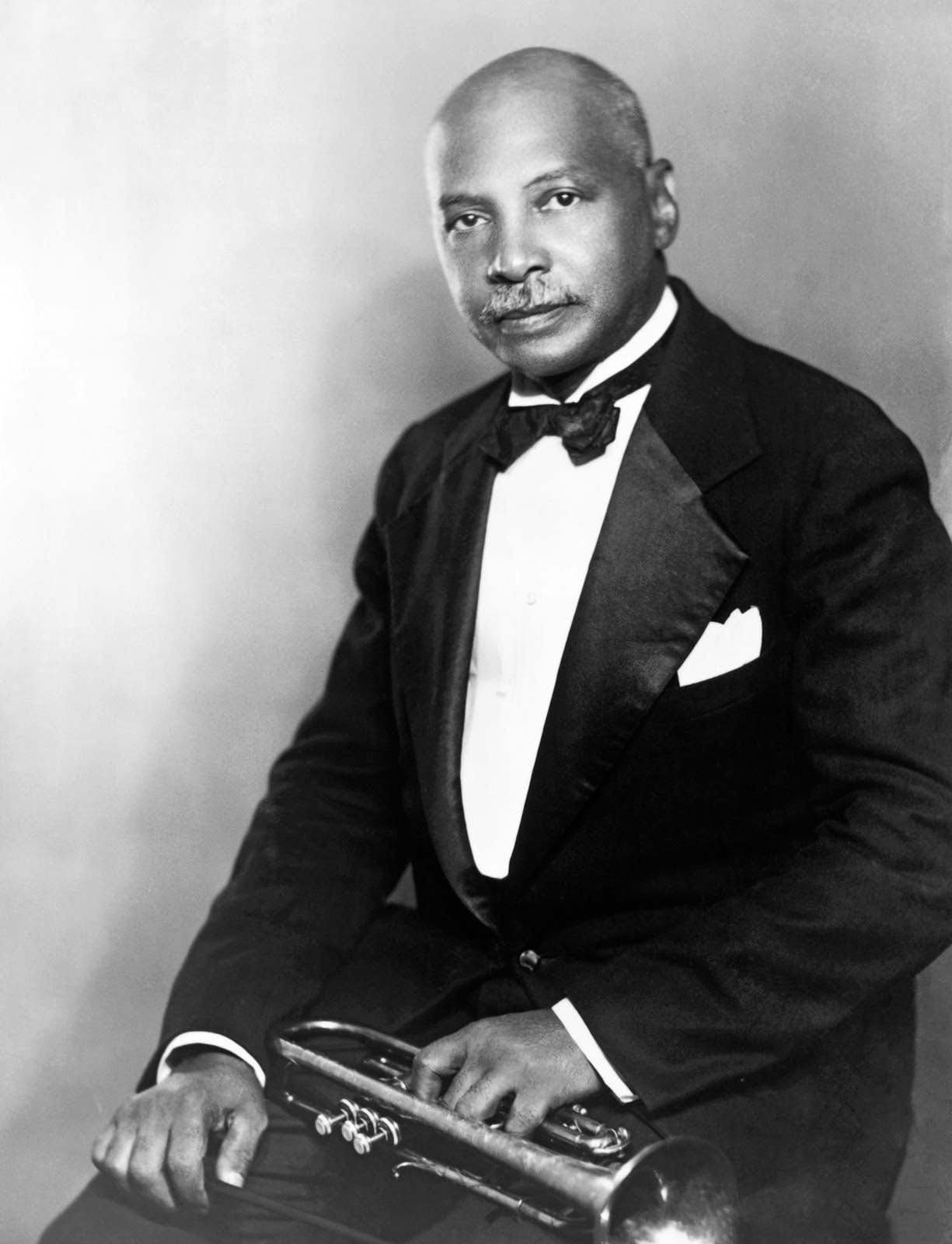
While W.C. Handy's primary focus was on music, his personal style and presentation played a subtle but important role in shaping his image and the perception of the blues. He wasn't known for flamboyant or attention-grabbing stage costumes. Instead, Handy cultivated a look of dignified respectability, favoring tailored suits, crisp shirts, and ties. This choice was deliberate, reflecting the professionalism he brought to his work and the desire to elevate the blues from its marginalized status.
In an era marked by racial prejudice and segregation, Handy understood the importance of projecting an image of success and competence. His well-groomed appearance and professional demeanor helped him gain access to venues and audiences that might otherwise have been closed off to him. It signaled that the blues, and by extension African American music, deserved to be taken seriously. He presented himself as a businessman, a scholar of music, and a cultural ambassador, and his clothing reflected that identity.
Beyond his personal attire, Handy also understood the importance of visual presentation in promoting his music. His sheet music covers were often adorned with elegant designs and photographs, further contributing to the image of sophistication and professionalism. He recognized that in order to break down barriers and gain wider acceptance, the blues needed to be presented not as a crude form of entertainment, but as a legitimate and valuable art form. In essence, his “look” was a statement, a visual argument for the recognition and respectability of the blues.
Engineering & Sound Production Analysis
Although not an engineer in the modern, technological sense, W.C. Handy functioned as a crucial bridge between the raw, unrecorded sounds of the early blues and a more formalized, reproducible musical product. His "engineering" was in the meticulous transcription and arrangement of blues melodies and harmonies, transforming them from an aural tradition to a written one. This process involved a deep understanding of musical structure, harmony, and orchestration.
Before Handy, the blues was largely transmitted orally, passed down from musician to musician through improvisation and personal interpretation. There were regional variations and no fixed versions of songs. Handy's work involved listening to these performances, capturing the essence of the melodies and rhythms, and then translating them into written notation. This was a challenging task, as the nuances of the blues often defied standard musical notation. He had to find ways to represent the characteristic slides, bends, and vocal inflections that were so essential to the blues sound.
Furthermore, his arrangements were designed to make the blues accessible to a wider range of performers. He added harmonies, instrumental parts, and dynamics that enhanced the music's appeal and made it suitable for performance by orchestras and dance bands. While some purists criticized this approach, it undeniably played a crucial role in popularizing the blues and ensuring its survival. By creating detailed scores and arrangements, Handy essentially created a blueprint for future generations of musicians to understand, interpret, and build upon the foundations he laid. He didn’t just record sound; he designed a system for its reproduction and dissemination, ensuring the blues could travel far beyond its original context.
Cultural Impact & Legacy
W.C. Handy's cultural impact is undeniable. He played a pivotal role in bringing the blues to a wider audience, transforming it from a regional folk music into a national and international phenomenon. His compositions, such as "Memphis Blues" and "St. Louis Blues," became enduring classics, performed and recorded by countless musicians across genres. These songs not only popularized the blues but also helped to shape its very definition, providing a framework for future blues compositions.
Beyond his musical contributions, Handy also helped to legitimize the blues as a valid art form. By notating and arranging the music, he demonstrated that it was more than just a simple folk tradition. He showed that it had a complex structure, rich harmonies, and a profound emotional depth. His efforts helped to break down racial barriers and challenge prevailing stereotypes about African American music. He became a symbol of Black cultural achievement and a role model for aspiring musicians.
His legacy extends far beyond the 1910s. He paved the way for the blues explosion of the 1920s and 1930s, influencing countless musicians, including Bessie Smith, Louis Armstrong, and Robert Johnson. His work also laid the foundation for the development of other genres, such as jazz, rock and roll, and rhythm and blues. He is rightly remembered as the "Father of the Blues," not just for his musical compositions, but for his tireless efforts to promote, preserve, and elevate this uniquely American art form. He gave the blues a voice, a name, and a place in the cultural landscape of the world.
Critical Reception (Then vs Now)
W.C. Handy's work was met with a mixed reception during his lifetime. While he achieved considerable commercial success and gained recognition as a leading figure in the blues, he also faced criticism from some quarters. One common criticism was that he "commercialized" the blues by notating and arranging what was primarily an oral tradition. Some purists argued that his arrangements sanitized the raw emotion and improvisational spirit of the blues, making it more palatable to a white audience.
Another point of contention was his self-proclaimed title of "Father of the Blues." While no one disputed his contributions to the genre, some argued that he overstated his role and overlooked the contributions of other musicians who had been playing the blues long before him. They felt that he was taking credit for a collective cultural creation.
However, in retrospect, Handy's efforts are now largely credited with preserving and popularizing the blues, making it accessible to a broader audience, and ensuring its survival. While his arrangements may not have perfectly captured the raw emotion of the Delta blues, they undeniably played a crucial role in its dissemination and acceptance. He provided a framework for future generations of musicians to understand and build upon the blues tradition. Today, he is widely regarded as a visionary figure who played a pivotal role in shaping the history of American music. His contributions are celebrated by musicians, scholars, and fans alike. The criticisms of his commercialization are now often viewed in the context of the time, acknowledging that his actions were necessary to elevate the blues within a racially biased society.
Conclusion
W.C. Handy's impact on the landscape of American music is indelible. During the pivotal decade of the 1910s, he not only composed some of the most recognizable and enduring blues standards, but he also laid the foundation for the genre's widespread acceptance and continued evolution. His meticulous arrangements, his business acumen, and his unwavering belief in the power of the blues helped to break down racial barriers and elevate African American music to a position of prominence.
While his legacy has been debated and re-evaluated over the years, there is no denying his crucial role in preserving and popularizing the blues. He was a visionary who understood the cultural significance of this music and dedicated his life to sharing it with the world. His compositions continue to be performed and recorded by musicians across genres, and his influence can be heard in countless songs. W.C. Handy's story is a testament to the power of music to transcend boundaries, to connect people, and to shape the course of history. He remains a towering figure in the history of American music, and his contributions will continue to be celebrated for generations to come. He wasn't just the "Father of the Blues"; he was one of the architects of modern American music itself.