Era:
Wilbur Sweatman stands as a significant, yet often overlooked, figure in the formative years of jazz music. Emerging from the fertile musical landscape of the late 1910s, Sweatman was a clarinet virtuoso, bandleader, composer, and innovator who straddled the worlds of ragtime, early jazz, and popular dance music. His contributions to the development of jazz are multifaceted, encompassing groundbreaking clarinet techniques, pioneering recordings, and a shrewd understanding of how to popularize this burgeoning musical form. Though sometimes facing criticism for perceived commercialism, Sweatman played a crucial role in introducing jazz to a wider audience, leaving an enduring legacy on the American musical landscape. 1910-1919 Historically, they are inseparable from the identity of the 1910-1919 Music Era.
In-depth Analysis of Musical Style & Evolution
Sweatman's musical journey began in the realm of ragtime, a genre that provided the rhythmic and harmonic foundation for his later explorations. He quickly distinguished himself through his mastery of the clarinet, an instrument that became synonymous with his name. His innovative approach to the instrument was particularly notable. He was among the first to experiment with multiphonics – the technique of producing multiple notes simultaneously on a single-reed instrument. This challenging feat, achieved through precise embouchure control and manipulation of the instrument's keys, created a unique and captivating sonic texture that became a hallmark of his style. He also incorporated blues inflections and improvisational elements into his playing, further blurring the lines between ragtime and the emerging sounds of jazz.
Sweatman’s compositions and arrangements were equally forward-thinking. He skillfully blended the syncopated rhythms of ragtime with the improvisational spirit of early jazz, creating a vibrant and danceable sound that appealed to a broad audience. Tracks like "Down Home Rag" and "Kansas City Blues" showcase his ability to fuse these seemingly disparate elements into a cohesive and compelling musical statement. He possessed a keen ear for melody and harmony, crafting tunes that were both catchy and sophisticated. Furthermore, his arrangements were notable for their use of call-and-response patterns, a characteristic feature of early jazz that added a sense of interplay and excitement to his performances. Sweatman understood the importance of creating music that was both musically engaging and accessible to a wider listenership, a strategy that contributed to his popularity and influence.
His bands, often billed as Wilbur Sweatman's Original Jazz Band, were instrumental in showcasing his musical vision. These ensembles typically featured a combination of brass instruments (trumpet, trombone), reeds (clarinet, saxophone), and a rhythm section (piano, drums, banjo). Sweatman carefully selected musicians who possessed both technical proficiency and a flair for improvisation, creating a dynamic and versatile ensemble capable of navigating the diverse musical landscape of the era. Through his leadership and guidance, these bands became highly sought-after performers, appearing in vaudeville theaters, dance halls, and nightclubs across the country.
The 'Look': Fashion & Aesthetics Deep Dive
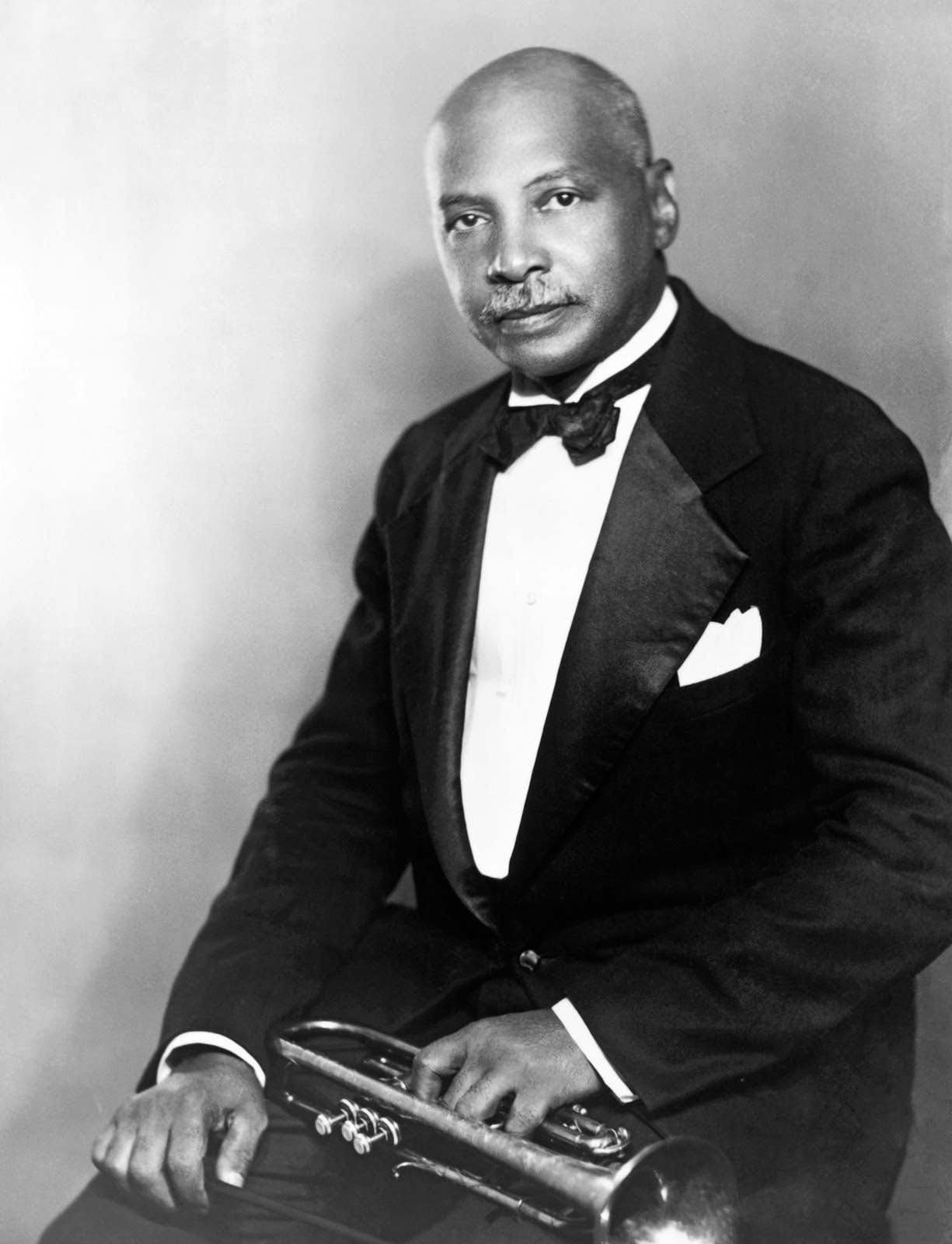
While detailed accounts of Wilbur Sweatman's personal fashion choices are scarce, surviving photographs offer a glimpse into the sartorial standards of bandleaders during the early 20th century. These images consistently portray him in the formal attire that was customary for public appearances. Sharp, well-tailored suits were the norm, typically featuring dark colors and classic cuts. These suits projected an image of professionalism and sophistication, reinforcing the bandleader's authority and creating a sense of occasion for the audience.
Ties were an essential component of Sweatman's performance attire, often featuring intricate patterns or subtle textures. These accessories added a touch of personality and visual interest to his overall look. Furthermore, hats were a ubiquitous element of men's fashion during this era, and Sweatman likely donned a stylish hat when not performing, contributing to his overall image of refined elegance. The intention was clear: to present a polished and respectable image that reflected the musical quality and artistic integrity of his ensemble. While informality would later become more commonplace in jazz performance attire, the early pioneers like Sweatman understood the importance of projecting a professional image to establish credibility and attract a wider audience.
Engineering & Sound Production Analysis
Wilbur Sweatman’s recording career coincided with the infancy of recording technology. The acoustic recording process, prevalent during the 1910s, presented significant limitations in terms of sonic fidelity. This method involved capturing sound vibrations through a large horn that directly vibrated a cutting stylus, which etched grooves onto a wax master disc. The resulting recordings lacked the dynamic range and frequency response of later electrical recording techniques. Consequently, capturing the full nuance and vibrancy of Sweatman's clarinet playing and the ensemble's rhythmic drive posed a considerable challenge.
Despite these technological constraints, engineers strived to capture the essence of Sweatman's performances. They carefully positioned the musicians around the recording horn to optimize the balance and clarity of the sound. The limited dynamic range meant that subtle nuances could be easily lost, requiring musicians to carefully control their volume and articulation. Sweatman's clarinet, with its distinctive tone and virtuosic flourishes, was often placed prominently to ensure its audibility. The acoustic limitations also affected the portrayal of the rhythm section. The bass and drums, often crucial for driving the music, were frequently under-represented in the recordings due to their low frequencies being difficult to capture effectively. Therefore, the banjo and piano played pivotal roles in establishing the rhythmic foundation of the music as captured on record. Despite the technological limitations, Sweatman’s recordings serve as invaluable historical documents, providing a tantalizing glimpse into the vibrant sounds of early jazz and showcasing his groundbreaking clarinet artistry.
Cultural Impact & Legacy
Wilbur Sweatman's cultural impact extends beyond his musical innovations. He played a crucial role in popularizing jazz music during a period when it was still largely confined to specific communities and regions. His performances in vaudeville theaters and dance halls across the country exposed a diverse audience to the sounds of early jazz, helping to break down cultural barriers and broaden the genre's appeal. By incorporating elements of popular music into his repertoire, Sweatman made jazz more accessible to a mainstream audience, paving the way for its wider acceptance and commercial success. His success demonstrated the potential for jazz to transcend its origins and become a significant force in American popular culture.
Sweatman’s legacy also resides in his pioneering clarinet techniques. His mastery of multiphonics and his innovative improvisational style influenced generations of clarinetists who followed in his footsteps. While he may not be as widely recognized as some of his contemporaries, his contributions to the development of the instrument's role in jazz are undeniable. Moreover, his efforts to promote and popularize jazz helped to create a platform for other talented musicians to showcase their skills and contribute to the genre's evolution. In this regard, Sweatman can be considered a key figure in the dissemination and popularization of this uniquely American art form.
Critical Reception (Then vs Now)
During his lifetime, Wilbur Sweatman faced a mixed critical reception. While he enjoyed considerable popularity and commercial success, some purists criticized his embrace of popular styles, viewing it as a dilution of "authentic" jazz. These critics argued that his efforts to appeal to a wider audience compromised the artistic integrity of the music. However, other critics recognized the value of his work in popularizing jazz and making it more accessible to the masses. They acknowledged his musical talent and his skill in blending different musical styles to create a unique and engaging sound. This debate highlights the inherent tension between artistic purism and commercial appeal that has often characterized the history of jazz music.
In retrospect, Wilbur Sweatman's contributions to the development of jazz are viewed with greater appreciation and understanding. While acknowledging the validity of some earlier criticisms, modern scholars and historians recognize the importance of his role in bridging the gap between ragtime and early jazz. His recordings are now recognized as valuable historical documents that offer insights into the sounds and styles of the era. His innovative clarinet techniques are studied and admired by contemporary musicians. Moreover, his efforts to popularize jazz are seen as a crucial step in its evolution from a regional phenomenon to a national and international art form. Ultimately, Wilbur Sweatman's legacy is secure as a pioneering figure who helped to shape the sound and trajectory of early jazz music.
Conclusion
Wilbur Sweatman's story is a testament to the dynamism and evolution of early jazz. A virtuoso clarinetist, innovative composer, and astute bandleader, he navigated the complex musical landscape of the 1910s with both artistic vision and entrepreneurial spirit. While facing occasional criticism for his embrace of popular styles, Sweatman’s efforts to popularize jazz music were instrumental in its dissemination and acceptance. His pioneering clarinet techniques, combined with his skillful blending of ragtime, blues, and early jazz elements, solidify his place as a significant, if sometimes overlooked, figure in the formative years of this uniquely American art form. Wilbur Sweatman's music continues to resonate, offering a glimpse into the vibrant and transformative era that shaped the sound of jazz.
© Music Artist Vault. All rights reserved.